Bee Breeding & Hybrids Guide | Island Beekeeper Wiki
Master bee breeding in Island Beekeeper. Learn crossbreeding mechanics, hybrid combinations, trait inheritance, queen management, and rare bee discovery strategies. (Updated Jul 2026).
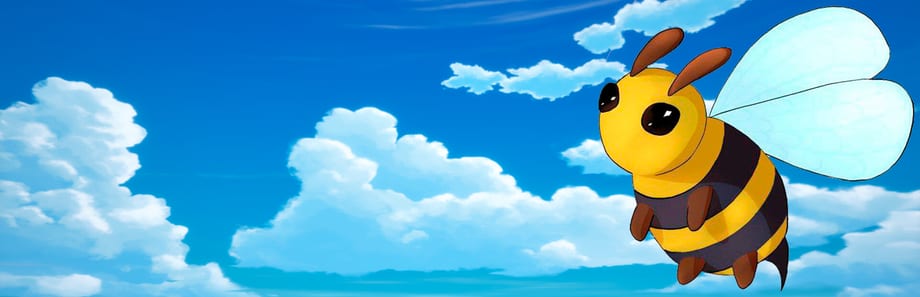
Bee breeding is where Island Beekeeper transforms from a simple farming game into a deep strategic experience. The crossbreeding system lets you combine different bee species to create powerful hybrid bees with unique traits, enhanced production, and specialty honey varieties. This guide covers every aspect of the breeding system, from your first cross to advanced multi-generation hybrids.
Breeding Fundamentals
Adjacent hive crosses still make hybrid queens. Named automation helpers come from Mutate at the Alchemy Table after Post Station bee quests — that loop lives on Automation & Alchemy, not in this breeding table.
How Crossbreeding Works
When two different bee species are housed in adjacent hives with shared flower access, there is a chance they will produce a hybrid queen with combined traits from both parents. The process happens automatically — you do not need to manually intervene. Place the hives, ensure they have frames and flowers, and wait.
The breeding system checks for eligible pairs each cycle. Eligibility requires:
- Two hives containing different species placed next to each other
- Both hives must have empty frames for the bees to work
- Nearby flowers that both species can access
- Neither hive can be in a disturbed state (use the smoker if needed)
When conditions are met, a hybrid queen egg may appear in one of the hives. The egg takes time to hatch, during which the parent hive continues normal honey production.
Trait Inheritance
Hybrid bees inherit stats from their parent species, following these general rules:
- Work speed averages between the two parents, with occasional variance
- Endurance tends toward the higher parent
- Temperament can swing either way, sometimes producing unusually calm or agitated hybrids
- Honey type is usually a blend, creating unique specialty varieties
The inheritance system adds a layer of unpredictability that makes each breeding attempt feel meaningful. Even the same parent pair can produce slightly different offspring across multiple attempts.
First-Generation Hybrids
Meadow × Forest Hybrid
The most common and recommended first cross. Breed your starter meadow bees with forest bee queens from the Farest Island. The result is a versatile hybrid with:
- Improved honey production over either parent
- A unique amber honey variety with moderate shipping value
- Strong hybridization potential for second-generation crosses
This hybrid should be your breeding priority once you unlock the Farest Island. Replace your pure meadow queens with meadow-forest hybrids to immediately boost your apiary output.
Meadow × Alpine Hybrid
A more advanced cross requiring alpine queens from higher islands. The offspring produces crystallized honey — a premium product that commands top prices. This hybrid is harder to obtain but pays dividends in order fulfillment.
Forest × Tropical Hybrid
Combining forest and tropical bees yields an exotic hybrid with high shipping value. The tropical bee must be acquired from distant islands, making this a mid-to-late game breeding project.
Eastern × Forest Hybrid
Once Eastern Bee queens are stable on patch 1.01.2+, crossing eastern and forest lines produces spice-forest honey blends popular for reputation-tier orders. Place hives on eastern islands near mixed flower beds before attempting the cross.
Night × Twilight Hybrid
Nocturnal breeding pairs (Night Bee + twilight line) can fill dusk-to-night production gaps. Ensure both hives use Queen Chambers if available — nocturnal crosses have lower base success rates than meadow-forest pairs.
Second-Generation Hybrids
Once you have first-generation hybrids, you can breed them together or with pure species to create second-generation hybrids. These are the most powerful bees in the game.
Hybrid × Hybrid Crosses
Breeding two different hybrid types can produce offspring with exceptional stats. For example, crossing a meadow-forest hybrid with a meadow-alpine hybrid might produce a bee that inherits:
- The forest hybrid’s work speed
- The alpine hybrid’s crystallized honey trait
- An entirely new honey color and flavor profile
These second-generation bees are rare and require patience. Keep detailed records of which combinations you have tried.
The Triple Lineage
The rarest bees in the game require three or more generations of careful breeding. Start with simple two-species crosses, then gradually combine their offspring. The path to a triple-lineage bee might look like:
- Meadow × Forest → Meadow-Forest Hybrid
- Meadow × Alpine → Meadow-Alpine Hybrid
- Meadow-Forest × Meadow-Alpine → Triple Lineage Bee
Each step takes multiple breeding cycles, so start early and be patient.
Queen Management
Catching Wild Queens
You need queens for every hive. Wild queens are found in hives scattered across the islands. Use your bug net to catch them — approach the wild hive, break it open, and quickly net the queen before she flies away.
Bring multiple bug nets on catching expeditions. They break after repeated use, and missing a queen means losing that hive permanently.
Queen Replacement
Queens age over time and their production drops. When a hive’s output noticeably decreases, the queen may need replacing. Catch a fresh queen from a wild hive and introduce her to boost colony output.
Keep spare queens in secure containers as backup. Losing your only queen of a rare species is a significant setback.
Queen Chamber
The Queen Chamber is a hive attachment that increases breeding success rates for rare species. Craft it at the workbench using advanced materials and install it on hives involved in important breeding projects.
The Queen Chamber does not guarantee success, but it meaningfully improves the odds of producing rare hybrid offspring. Use it strategically on your most important breeding pairs.
Breeding Record Keeping
With multiple species and countless possible combinations, keeping records is essential. Track:
- Which species pairs you have tried
- What offspring each pair produced
- The honey type and production rate of each hybrid
- Which hybrids you want to pursue further
A simple spreadsheet or notebook works well. Some players use the in-game journal to note successful combinations.
Advanced Breeding Strategies
Diversify Your Flower Zones
Different flowers attract different bee species. Create dedicated flower zones near specific hive clusters to encourage the species you want to breed. Sunflowers near exotic hives, flax near native hives, and mixed gardens near breeding pairs.
Stagger Breeding Cycles
Do not breed all your hives at once. Stagger breeding attempts so you always have some hives producing honey while others are in breeding cycles. This maintains your income stream while you experiment.
Seasonal Breeding
Pay attention to which flowers are in season and plan your breeding accordingly. Some rare bees only appear or breed successfully when specific flowers are blooming nearby.
Cross-Island Breeding
As you unlock new islands, you gain access to biome-specific bee species. Bring these queens back to your home island for breeding experiments. The most powerful hybrids often combine bees from completely different biomes.
For a complete ranking of all bee species by breeding value and production, see the Bee Tier List. For information on the flowers that attract specific bee species, check the Farming & Crops guide.
Frequently Asked Questions
Quick answers to the most common questions.
How do I start breeding bees?
Place two different bee species in adjacent hives near shared flowers. Ensure both hives have frames and nearby flowers, then wait for the breeding cycle to complete. A hybrid queen egg may appear in one of the hives.
What determines which hybrid I get?
The parent species determine the hybrid outcome. Each pair of species has a set of possible offspring with different probabilities. Some combinations yield rare hybrids with unique traits.
Can I breed hybrid bees with other hybrids?
Yes. Breeding two hybrid species can produce second-generation hybrids with even more specialized traits. This multi-generation breeding is how you obtain the rarest bee species in the game.
How long does a breeding cycle take?
Breeding cycles vary by species and conditions. Most cycles complete within a few in-game days. Having optimal flower coverage and hive conditions can speed up the process.
Do I need a special building for breeding?
Basic breeding happens naturally between adjacent hives. For advanced breeding with higher success rates, craft a Queen Chamber attachment at your workbench and install it on your hives.